JUKI High Speed Quilting Machine or JUKI High Speed Semi-Industrial Quilting? Which JUKI Model to Buy
As an Amazon Associate we earn from qualifying purchases. Links on this page are affiliate links.
You are comparing the juki high speed quilting machine vs high speed semi industrial model. Both units share the TL-2010Q model number and target quilters with high-speed performance. The main difference lies in their physical dimensions and listed type classification. One offers a wider workspace and includes a bonus accessory pack. The other is categorized as industrial and features a slightly different footprint. You need to check the specs to see which fits your studio.
Key differences
| Aspect | JUKI High Speed Quilting Machine | JUKI High Speed Semi-Industrial Quilting Machine |
|---|---|---|
| Type | Not listed | Industrial |
| Width | 14 inches | 16 inches |
| Length | 25 inches | 28 inches |
| Included Accessories | Comprehensive bonus pack | Not listed |
| Color | White | Silver |
Which one should you choose?
Choose JUKI High Speed Quilting Machine if
- You need a wider accessory kit included in the box.
- You prefer a more compact footprint with a 25-inch length.
- You want a machine described with a white finish.
Choose JUKI High Speed Semi-Industrial Quilting Machine if
- You require a larger 16-inch width for bulky quilts.
- You need a longer 28-inch workspace for extended arm projects.
- You prefer a unit explicitly categorized as industrial type.
Verdict: The first model suits those who want ready-to-use accessories and a smaller footprint. The second model is better for quilters who prioritize maximum workspace width and industrial classification. Your choice depends on whether you value included tools or physical size.
JUKI TL-2010Q Quilting Showdown
Type classification
Product A is listed as a high-speed sewing and quilting machine. Product B is explicitly labeled as a semi-industrial model. This distinction suggests different design priorities. The semi-industrial tag on Product B often implies a focus on durability and continuous operation. Product A’s description highlights professional precision and robust construction. Both share the same model number, TL-2010Q. This indicates they are likely the same hardware platform. The difference lies in how the manufacturer categorizes them for the market. You should consider if you need the industrial label for specific project demands or if the standard classification suffices.
Workspace width
The workspace width is a critical factor for quilting large projects. Product A has a width of 14 inches. Product B offers a wider width of 16 inches. This two-inch difference provides more room to maneuver bulky quilts. A wider arm allows you to handle larger fabric pieces with less strain. It helps in keeping the fabric flat and reducing bunching. If you frequently work on king-size quilts or large table runners, the extra space in Product B is beneficial. For smaller projects, both machines offer sufficient room. The additional width in Product B gives it a practical advantage for expansive sewing tasks.
Overall dimensions
Physical size affects where you can place the machine. Product A measures 25 inches in length, 18 inches in height, and 14 inches in width. Product B is larger at 28 inches long, 17 inches high, and 16 inches wide. Product B is three inches longer, which may impact table space requirements. However, it is one inch shorter in height, potentially making it slightly more ergonomic for some users. Product A is more compact in length, fitting better on smaller workstations. You need to measure your available space carefully. The footprint of Product B is larger, requiring a sturdier and wider table surface for stable operation.
Included accessories
Product A is described as coming with a complete bonus package. This includes a comprehensive set of accessories and tools to start sewing immediately. Product B’s data does not list any included accessories or bonus packs. Having the right tools on hand can save time and additional purchases. Product A provides a ready-to-use setup for quilters. Product B may require you to buy accessories separately. This difference adds value to Product A for those who want an all-in-one solution. If you already own necessary tools, this factor matters less. For beginners, the included items in Product A are a significant practical benefit.
Build quality
Both machines are built for high-speed performance and quilting. Product A emphasizes durable construction with a solid frame to minimize vibration. This ensures stable performance during intensive use. Product B is classified as industrial, which typically denotes heavy-duty engineering. Both share the TL-2010Q model, suggesting similar internal mechanics. Product A weighs 39 pounds, while Product B weighs 37.9 pounds. The slight weight difference is negligible. Both are designed to withstand intensive use and provide professional results. The vibration reduction in Product A is explicitly mentioned, which aids stitch quality. Product B’s industrial classification implies similar robustness. Both offer reliable construction for serious quilting projects.
Which JUKI Quilting Machine Fits You
Quilters needing maximum workspace width
Product B offers a wider 16-inch workspace compared to Product A's 14-inch width. This extra horizontal space helps you maneuver bulky quilts more easily. If your projects involve large fabric pieces, this additional width provides better clearance. The semi-industrial classification also suggests a design focused on handling heavy materials with stability during long sewing sessions.
Users prioritizing vertical reach and height
Product A stands taller at 18 inches, compared to Product B's 17-inch height. This extra vertical clearance can be helpful when stacking thick layers of fabric or batting. A higher profile allows for better visibility of your needle area and easier threading. If you frequently sew dense quilts, this height difference may improve your comfort and precision.
Buyers seeking a complete starter setup
Product A includes a comprehensive bonus package with accessories and tools right out of the box. This means you have everything needed to start sewing immediately without buying extra parts. The white finish and robust frame also contribute to a professional look. This all-in-one approach saves you time and ensures you have the necessary attachments for various quilting techniques.
Those wanting a lighter, compact frame
Product B weighs 37.9 pounds, making it slightly lighter than Product A's 39 pounds. This minor weight difference might matter if you need to move the machine frequently. The silver finish and semi-industrial design suggest a focus on efficiency. If you prefer a machine that is marginally easier to handle during transport, this model offers a slight advantage in mass.
The products compared
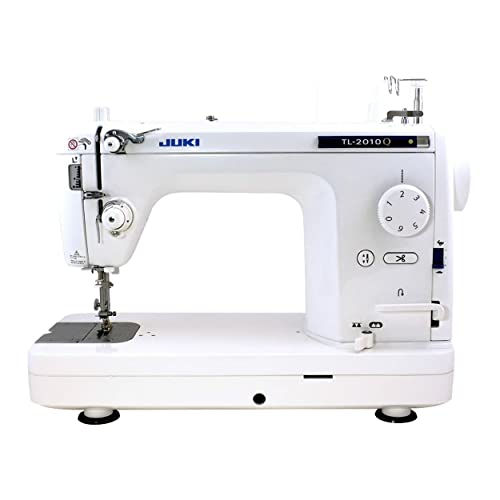
JUKI High Speed Quilting Machine
Best for: large quilting projects and high-speed sewing
- Suitable For
- Quilting
- Sewing Speed
- High Speed
- Dimensions
- 25 × 14 × 18 inches
- Weight
- 39 pounds
View on Amazon: JUKI High Speed Quilting Machine Affiliate link
The JUKI TL-2010Q is a high-speed sewing and quilting machine built for efficiency. It features a large workspace with an extended arm, making it easy to maneuver bulky quilts. The machine weighs 39 pounds and measures 25 inches in length, providing a stable base for precise stitching. Its industrial-quality construction ensures consistent results during intensive use. This model suits quilters who need a durable, professional-grade tool for large projects.
Pros
- High-speed performance for efficient project completion
- Large workspace and extended arm for bulky quilts
- Industrial-quality construction for consistent stitching
- Heavy 39-pound frame minimizes vibration
Cons
- Limited to white color only
- No mention of automatic needle threader
- No included digital display or computer connectivity
Good fit if
- You quilt large, bulky projects regularly
- You need a high-speed machine for general sewing
- You prefer a heavy, stable machine for precision
Skip if
- You need a lightweight machine for travel
- You require advanced digital features or app control
- You are looking for a compact machine for small spaces
Verdict: JUKI TL-2010Q High Speed Quilting Machine is a sturdy, high-speed option for quilters who prioritize workspace and stability over digital features. It fits those who sew large projects and need a reliable, heavy-duty machine.
JUKI High Speed Semi-Industrial Quilting Machine
Best for: Dedicated quilters needing high speed stability
- Type
- Industrial
- Suitable For
- Quilting
- Sewing Speed
- High Speed
- Dimensions
- 28 × 16 × 17 inches
- Weight
- 37.9 pounds
View on Amazon: JUKI High Speed Semi-Industrial Quilting Machine Affiliate link
The Juki TL-2010Q is a high speed semi-industrial sewing machine built for quilting. It measures 28 inches long, 17 inches high, and 16 inches wide. The unit weighs 37.9 pounds. Its industrial design supports sustained high speed operation. You get a robust silver machine suited for dedicated quilting projects. It fits well if you need a stable, high-performance tool for large fabric pieces.
Pros
- High speed semi-industrial motor for quilting
- Large 28-inch length provides ample workspace
- Heavy 37.9-pound build ensures stability
- Dedicated industrial design for quilting tasks
Cons
- Heavier than standard home machines
- Large footprint requires significant table space
- No app or smart connectivity features listed
Good fit if
- You need high speed performance for quilting
- You have space for a large machine
- You prefer a heavy, stable base
Skip if
- You need a lightweight portable machine
- You have limited workspace
- You want smart app connectivity
Verdict: Juki TL-2010Q High Speed Quilting Machine offers industrial stability for serious quilters. It suits those with space and a need for high speed precision.
Specifications side by side
| Spec | JUKI High Speed Quilting Machine | JUKI High Speed Semi-Industrial Quilting Machine |
|---|---|---|
| Type | not stated | Industrial |
| Suitable For | Quilting | Quilting |
| Sewing Speed | High Speed | High Speed |
| Dimensions | 25 × 14 × 18 inches | 28 × 16 × 17 inches |
| Weight | 39 pounds | 37.9 pounds |
| Color | white | Silver |
| Model | TL-2010Q | TL-2010Q |
Frequently asked questions
Is the JUKI TL-2010Q suitable for heavy quilting projects?
Yes, this machine is built for heavy-duty use. It weighs 39 pounds or 37.9 pounds depending on the specific listing. This substantial mass provides stability during high-speed sewing. The sturdy construction helps manage thick layers of fabric without vibration. You can rely on its weight to keep the machine steady while you work on large quilts.
What is the difference between the two JUKI listings?
The primary difference is the workspace width and physical dimensions. One model offers a 14-inch width, while the other provides a 16-inch width. Both share the TL-2010Q model number and high-speed capabilities. The semi-industrial version is slightly taller and longer. You should choose based on how much horizontal space you need for your largest projects.
Does the JUKI high speed machine support large quilts?
Yes, it is designed for large quilting projects. The 16-inch workspace on the semi-industrial version allows you to maneuver bulky fabric easily. The 14-inch width on the other unit is still generous for most standard to large quilts. The high-speed motor ensures you can stitch through thick layers efficiently without slowing down.
Is the JUKI TL-2010Q considered an industrial machine?
One listing explicitly labels the unit as a semi-industrial model. This classification suggests a focus on durability and continuous operation. Both units share the same model number and high-speed performance. The industrial-style build provides the stability needed for serious quilters. You get professional-grade performance in a package designed for dedicated sewing tasks.
How much space does the JUKI quilting machine take up?
The machine requires a significant footprint on your sewing table. The dimensions range from 25 to 28 inches in length and 14 to 16 inches in width. The height is approximately 17 to 18 inches. You need a sturdy table to support its 37 to 39-pound weight. Ensure you have enough room to open the hood and access the workspace.
Can I use this machine for general sewing?
While optimized for quilting, the high-speed motor makes it versatile. The machine handles various fabric weights well due to its sturdy build. The large workspace helps with precision stitching on complex patterns. You can use it for garments or home decor, but it excels when you need speed and stability for large, multi-layered projects.